

dark gray reflective glass
Understanding Snap-On Micrometers Precision Tools for Professionals Snap-On micrometers represent a pinnacle in precision measuring tools, widely embraced by professionals in various fields including automotive, manufacturing, and engineering. These tools are designed to provide accurate measurements of small dimensions, enabling users to achieve tighter tolerances and enhance the quality of their work. Understanding Snap-On Micrometers Precision Tools for Professionals One of the standout features of Snap-On micrometers is their robust construction. They are designed to withstand the rigors of daily use in demanding environments such as workshops and construction sites. Made from high-quality materials, these tools resist wear and tear, ensuring longevity and maintaining measurement accuracy over time. The ergonomic design of Snap-On micrometers also enhances user comfort, allowing professionals to hold and operate them with ease during prolonged use. snap on micrometer Accuracy is paramount when it comes to measurement tools, and Snap-On micrometers excel in this regard. They are often equipped with features such as a friction thimble, which helps to apply consistent pressure during measurements, thereby reducing the likelihood of error. Furthermore, many models come with an easy-to-read scale and a ratchet stop that allows for repeatable and reliable readings, which is crucial in high-stakes scenarios where precision is non-negotiable. In addition to their performance, Snap-On micrometers are available in a variety of models tailored for specific applications. For instance, some micrometers are designed for outside measurements, while others are suited for measuring inside dimensions or depths. This versatility allows professionals to select the right tool for their specific needs, enhancing efficiency and effectiveness in tasks ranging from automotive repair to quality control in manufacturing. Maintenance is another consideration for users of Snap-On micrometers. Keeping the tool clean and stored correctly is vital to preserving its accuracy. The manufacturer often provides guidelines and care instructions to ensure that the micrometer retains its exceptional measurement capabilities over time. Regular calibration is also recommended to keep it functioning optimally, thereby ensuring that each measurement taken is as precise as necessary. In conclusion, Snap-On micrometers are essential tools for any professional who values precision and accuracy in their work. With their durable construction, user-friendly design, and exceptional measurement capabilities, they stand out as a trusted choice for a wide range of applications. Investing in a Snap-On micrometer not only enhances one’s ability to get precise measurements but also facilitates improved quality control and overall workmanship in any technical field. Whether you're a seasoned expert or a budding professional, a Snap-On micrometer is a valuable asset that can significantly contribute to your success.
about
dark gray reflective glass
Understanding Non-Return Valve Types A Comprehensive Guide In the world of fluid dynamics and control systems, valves play a crucial role in ensuring the proper flow of liquids and gases. Among these, non-return valves—widely known as check valves—are essential components that prevent backflow, ensuring fluids flow in only one direction. This article aims to explore the different types of non-return valves, their functionalities, and applications. What is a Non-Return Valve? A non-return valve is a type of valve that automatically prevents the reverse flow of fluid. It functions based on differential pressure, with the valve opening when the fluid flows in one direction and closing when the flow reverses. This characteristic is crucial in various applications, including water supply systems, sewage systems, and industrial processing. Types of Non-Return Valves There are several types of non-return valves, each designed for specific applications and operating conditions. Here are some of the most common types 1. Swing Check Valve Swing check valves use a hinged disc that swings open to allow fluid to pass and swings shut to prevent backflow. They are often used in horizontal pipelines and are best suited for high-flow systems. However, they may require a certain amount of fluid pressure to completely close. 2. Lift Check Valve In contrast to swing check valves, lift check valves feature a disk that moves vertically inside the valve body. The fluid pressure acts on the disk, lifting it to allow flow . When the pressure drops or reverses, the disk falls back into its seat, preventing backflow. These valves are ideal for vertical installations or applications that require quick response times. non return valve types 3. Ball Check Valve Ball check valves utilize a spherical ball that moves within a cylindrical chamber. The ball is lifted off its seat by the flow of the fluid, allowing passage. When the direction of flow reverses, the ball falls back onto its seat, sealing off the flow. These valves are compact and can handle various fluid types, making them suitable for both water and chemical applications. 4. Dual Plate Check Valve This type features two plates that open to allow fluid flow. As the flow stops or reverses, the plates quickly close, minimizing backflow. Dual plate check valves are compact and lightweight, making them ideal for high-pressure applications and environments where space is a constraint. 5. Spring-Loaded Check Valve Also known as a spring check valve, this type utilizes a spring mechanism to hold the valve in a closed position until the pressure from the incoming fluid is sufficient to open it. As a result, these valves provide enhanced sealing capabilities and are suitable for applications where precise control is necessary. Applications of Non-Return Valves Non-return valves are employed in numerous industries and applications, including - Water and Wastewater Treatment Preventing the backflow of contaminated water into clean water supplies is critical for public health. - HVAC Systems Ensuring that heated or cooled air does not flow backward in ventilation systems. - Pumping Systems Protecting pumps from damage caused by backflow, which could lead to increased wear and tear or pump failure. - Industrial Processes Non-return valves are commonly used in pipelines for chemicals and other fluids, safeguarding systems from backpressure and contamination. Conclusion In conclusion, non-return valves are vital components in various fluid systems, providing safety, efficiency, and reliability. With several types available, choosing the right non-return valve for a specific application depends on factors such as pressure requirements, fluid types, and installation conditions. Understanding these different types and their uses can significantly enhance system performance and longevity, making a well-informed selection critical in design and operational phases.
-

High quality industrial productsagement

High quality industrial products
View Details -

Meet the diverse needs of customers

Meet the diverse needs of customers
View Details -

Strict quality control

Strict quality control
View Details -

Top raw materials

Top raw materials
View Details -

Trusted supplier

Trusted supplier
View Details
Our application


news and information
Versatile 5 8% Welding Table Clamps for Precision Metalworking and Fabrication
The Importance of 5% and 208% Welding Table Clamps in Modern Fabrication In the world of metal fabri
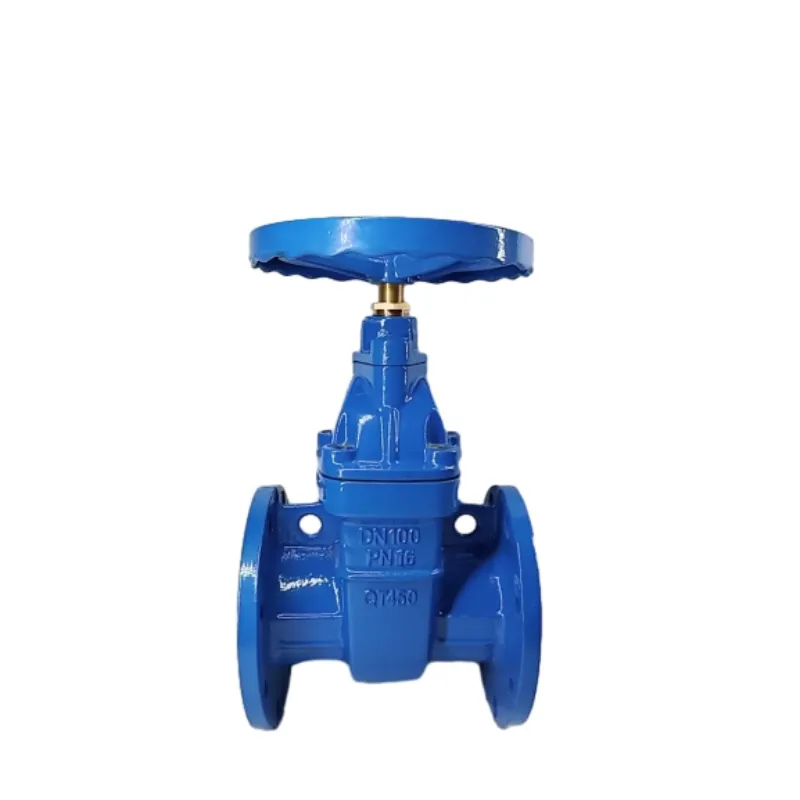
Various Types and Applications of Knife Gate Valves in Industrial Solutions
Types of Knife Gate Valves A Comprehensive Overview Knife gate valves are essential components in va
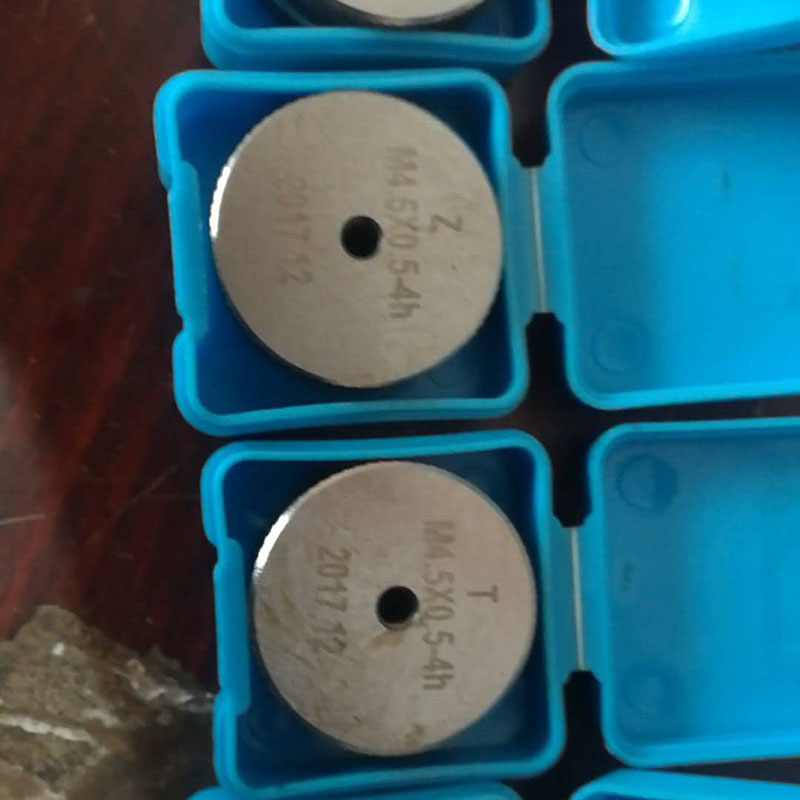
Using Pin Go-No Go Gauge for Precision Measurement in Manufacturing Applications
Understanding the Pin Go/No-Go Gauge A Key Tool in Quality Control In the realm of manufacturing and
 English